
Quick Answer
Before winter, clear gutters, photograph shingle condition from the ground, check attic stains at the hatch, and replace cracked pipe boots in fall. Schedule professional inspection in October when repairs can still bond before sustained cold. Do not walk steep or wet roofs—insured crews handle roof access.
October Beats January for Every Roofing Decision
Connecticut crews and material yards book up when ice dams hit and emergency leaks stack up. Homeowners who inspect in October—when pipe boots can still be replaced and gutters cleared before they freeze solid—save money and sleep better through nor'easter season.
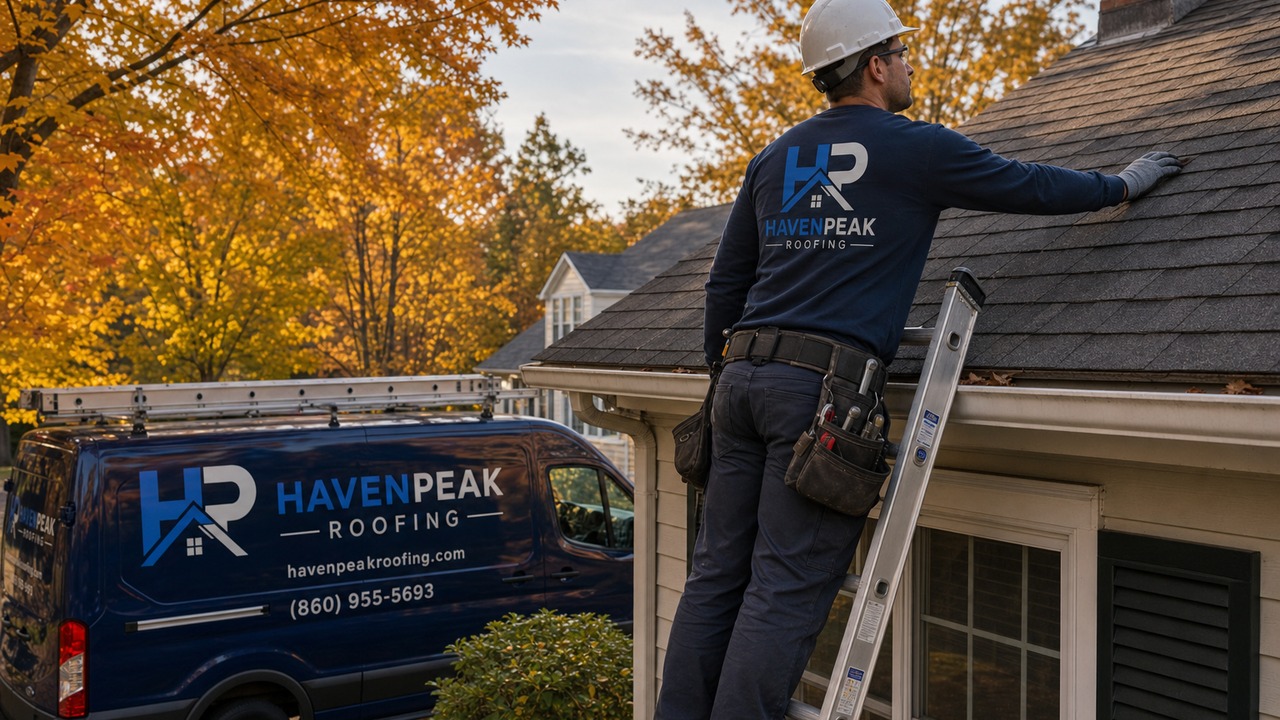
A pre-winter walk-through does not require climbing if you are uncomfortable on a ladder. Many items are visible from ground level or the attic hatch. Fall photos help insurance and resale later when you need to prove condition before a storm event.
This checklist separates what homeowners can check safely from what belongs on a professional inspection report.
Ground-Level Checks Homeowners Can Do
Walk the perimeter with binoculars or a zoom lens. Look for missing or lifted shingles at ridges and valleys, exposed nail heads, sagging gutter lines, and granules collecting in downspout splash blocks. Granule piles on south slopes often appear before the roof looks bad from the street.
Check downspouts discharge away from the foundation and confirm extensions are attached before freeze. Look at chimney shoulders and sidewall flashing from below—rusted or gaping metal often precedes spring leaks.
- Photograph all slopes and penetrations dated in October
- Clear leaves from gutters and valley outlets
- Confirm downspouts flow freely with a hose test
- Note branches touching or scraping the roof plane
- Check for daylight at soffit vents blocked by paint or debris
Attic Quick Look From the Hatch
Spend ten minutes at the attic hatch before heating season peaks. Note frost-stained nails, dark decking stains, compressed insulation near bathroom chases, and daylight at chimney penetrations. Musty odor or damp insulation signals moisture paths that will worsen under winter snow load.
Do not step off safe joist paths or disturb wiring. If you see active dripping or widespread black staining, schedule professional inspection before adding insulation or running humidifiers higher through winter.
Homes in Glastonbury and South Windsor with heavy roof areas often show ice dam history as stained decking at exterior walls—flag those zones for eave detail review.
Pipe Boots, Chimneys, and Skylights
Rubber boots stiffen after fifteen Connecticut winters. Hairline cracks are invisible from the street but open during January cold snaps. Replacing boots in fall is inexpensive prevention compared to emergency leak calls in February.
Step flashing at chimneys loosens after years of thermal movement. Fall is the time to re-fasten or replace before freeze locks water behind brick. Skylight curb flashing deserves the same attention—many pre-winter leaks we see in West Hartford start at curb corners, not field shingles.
Low-slope porch sections on split-levels need membrane seam review. Transition flashing where porch meets main roof is a frequent fall find on homes in Wethersfield and Plainville.
What Professional Inspection Adds
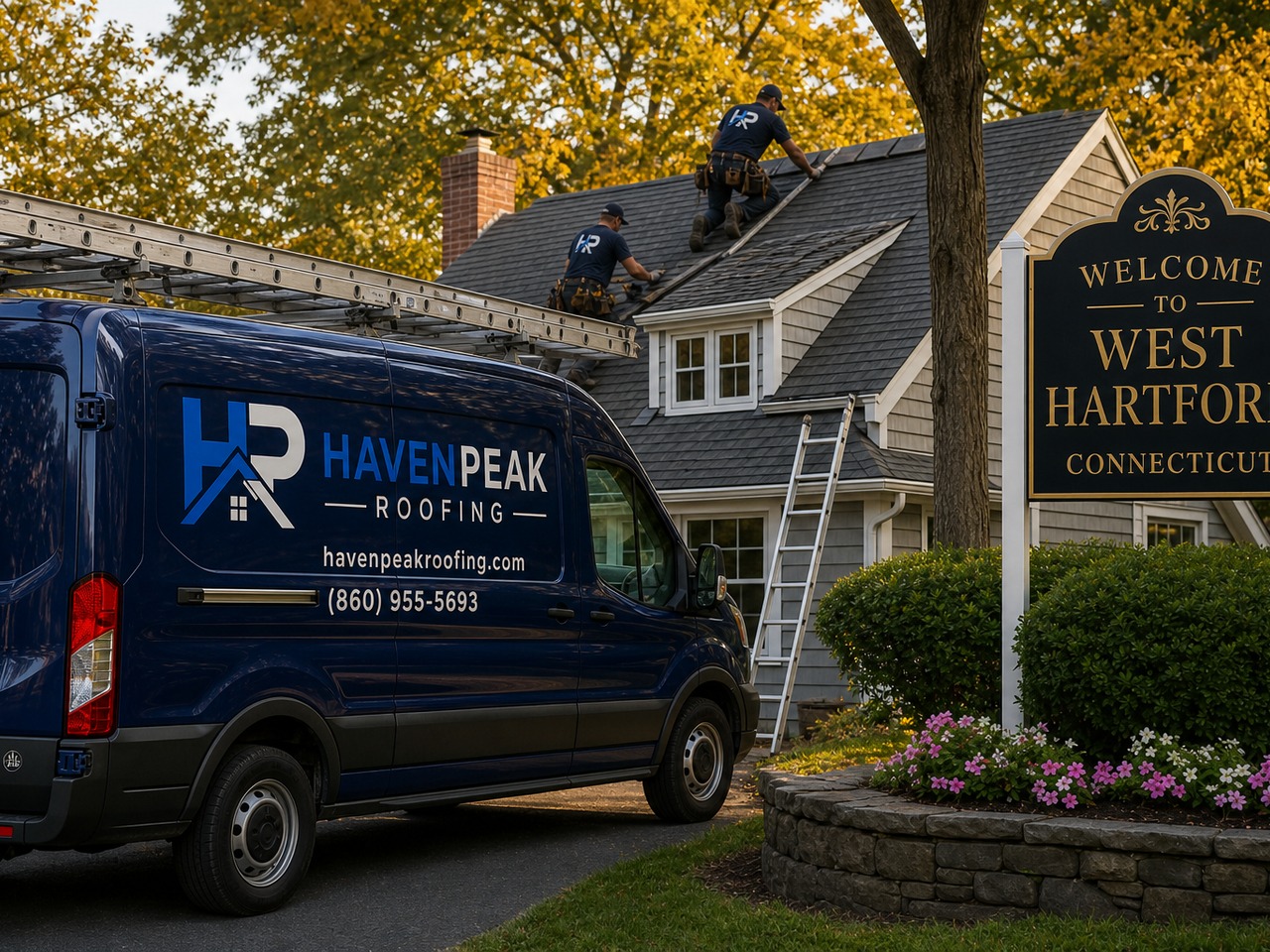
We walk the roof when slope and condition allow, measure remaining shingle life, probe soft deck areas, test flashing integrity, and balance ventilation recommendations against code and manufacturer specs. Towns with heavy tree cover like Bloomfield benefit from valley and gutter verification twice in fall—mid-October and after Thanksgiving leaf drop.
You receive a written scope with photos—not a verbal all-clear. That document guides fall repairs, replacement planning, or maintenance scheduling before ice season.
Store the PDF with your home file. Proof of maintenance supports insurance claims when ice or wind damage is disputed as pre-existing wear. Schedule a roof inspection from our West Hartford office or call (860) 955-5693.
Last-Minute Tasks Before the First Freeze
If November arrives before you complete a full inspection, prioritize drains, boots, and transition flashing on porch tie-ins. Disconnect hoses from exterior spigots near roof runoff paths so ice does not redirect water against siding and soffit.
Trim branches that scrape shingles during ice load. Verify attic hatch seals and that stored items in the attic are not blocking soffit baffles installed during prior insulation work.
Know who to call if a leak starts—keep emergency contact information accessible for household members. Minutes matter when water nears electrical fixtures during a January thaw in Hartford and surrounding towns where older housing stock is common.
What a Fall Professional Inspection Should Include
A written report should list each slope, penetration, and low-slope section separately with photos. Remaining shingle life estimates belong in plain language tied to granule condition, brittleness, and prior repair history—not a generic pass-or-fail label.
Ventilation recommendations should note soffit intake, ridge exhaust, and any bath or kitchen fans dumping into the attic. Fall is the right time to quote boot replacement, valley metal adjustment, and gutter repairs before ice locks fasteners in place.
If replacement is recommended, the scope should list ice-and-water coverage, tear-off depth, deck repair allowance, and permit expectations. Compare that detail across contractors before winter limits your options.
Ask whether the inspector will enter the attic when access is safe. Hatch-only reviews miss frost on nails and deck staining that explain recurring winter stains on South Windsor and similar suburbs with 1970s–1990s housing stock. Note any prior repair invoices you have so the inspector can compare old fixes to current findings.
Related reading
Related service: Learn more about this roofing service.
Related guide: Ice Dam Prevention for Connecticut Homes.
FAQ
Yes for ground photos, gutters, downspouts, and attic hatch checks. Roof walking belongs to insured professionals on steep or high roofs.
September through early November is ideal in Connecticut—warm enough for repairs to bond and ahead of sustained ice season.
No. Guards reduce debris but outlets, valleys, and downspout boots still need verification. Partial clogs cause ice dams when melt cannot drain.
Age helps, but boots, storm damage, and ventilation issues can appear earlier. Ten-year roofs still benefit from fall penetration checks.
Ground photos after major storms help document condition. Do not climb in winter; call for assessment if you see lifted materials or interior stains.
Need help with your roof in Connecticut? Contact HavenPeak Roofing for a free estimate or call (860) 955-5693. We serve West Hartford, Greater Hartford Area, and nearby Connecticut communities.
Browse our Roofing Insights hub and Roofing Solutions catalog for more Connecticut winter guides, emergency services, and city-specific roofing pages.